Manifesto · October 2026
The Manara Manifesto
See first. Think on ground truth. Act on the floor.
A lighthouse doesn't steer the ship
Manara means lighthouse. A lighthouse doesn't steer the ship or move the cargo. It makes the invisible visible, so the people at the helm can act.
That is our job for the physical economy of the Middle East and North Africa: the factories, warehouses, distribution centers and trucks that move everything people eat, wear and use.
Our order of work is fixed: See first. Think on ground truth. Act on the floor.
The loop compounds: the longer a facility runs on Manara, the sharper every decision and the safer every move.
The region's physical economy runs blind
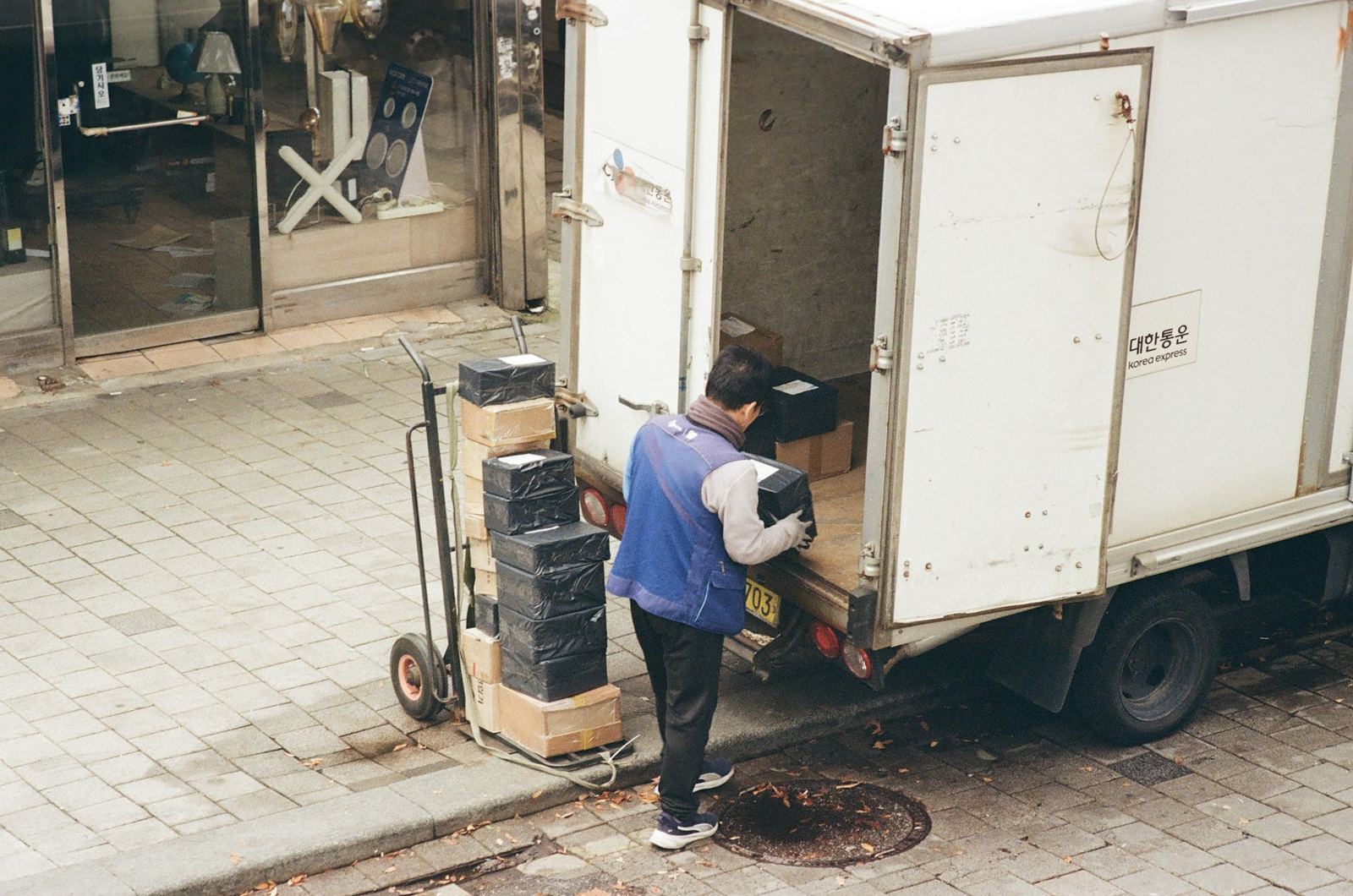
Walk into a successful business in our region and you find the same thing: goods move, but nobody can see them.
- At a large grocery distribution center, a checker opens sealed cases and reads barcodes aloud from a paper sheet.
- At a well-known food producer, boxes are counted one by one as they arrive at its own warehouse.
- Trucks are loaded in whatever order the porters choose. There is no load plan, and loading takes hours.
- The ERP says one thing and the floor says another. The gap is closed by phone calls, recounts and write-offs.
These are not badly run companies. Many are large, growing and profitable. They run blind because the floor was never digitized: no labels, no scans, too few cameras, no live picture of what sits where.
Running blind is expensive. It shows up as stock discrepancies, supplier disputes, idle docks, extra shifts and teams of checkers. One distribution center we work with puts its cost of not seeing in the tens of millions of pounds a year, and expects it to double.
And the people who could fix it are scarce. Someone who can design a warehouse, run a WMS and tune replenishment is the rarest hire in the region. Our customers don't want tools. They want the operation fixed.
The new wave of AI assumes the data already exists
You cannot optimize what you cannot see.
The world's answer to operations is software layered on top of systems of record. First came ERPs and warehouse systems that record what happened. Now a well-funded wave of decision AI and AI agents is arriving: solvers that plan waves and routes, agents that run the dispatch desk and chase the paperwork.
It is real progress. But it is built for operations that are already digitized, where every pallet is scanned, every location is known and the warehouse system is the truth.
That is not our region's mid-market. Here there is often no warehouse system to sit on, and the ERP's inventory is a best guess. Intelligence applied to bad data produces confident, wrong decisions, faster.
We start with See
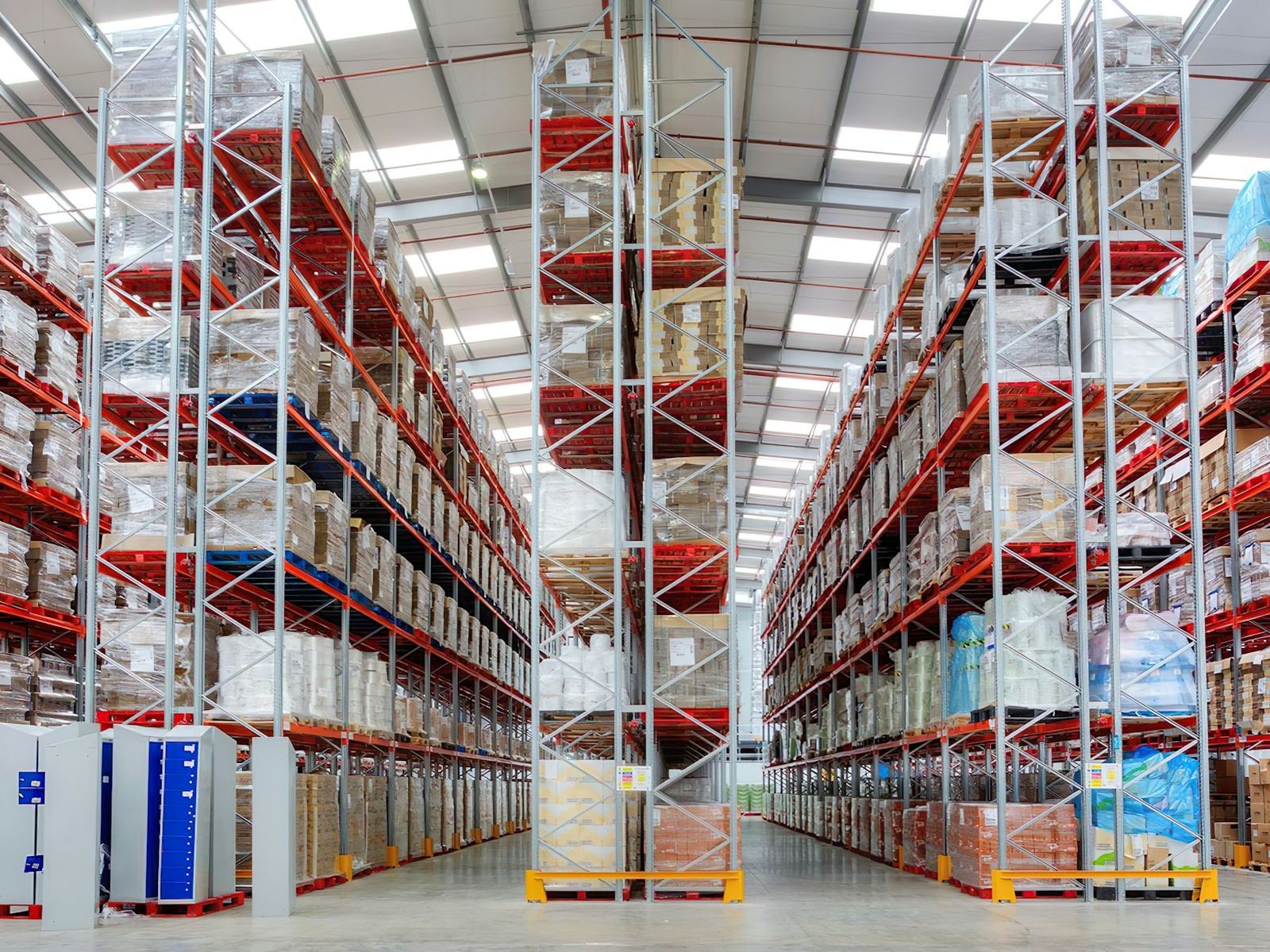
See means turning the physical floor into ground truth: what is where, in what state, moving where. Live, and trusted by everyone who touches it.
We build See from whatever the floor can support:
- Identity: labels, barcodes and RFID on every box, case and pallet, designed from day one for machines to read.
- Capture: scanners in workers' hands, and towers at the dock that count and identify goods as they pass.
- Coverage: cameras, sensors and drones that audit the racks without stopping the operation.
- The model: a live model of every facility, stitched from all of the above and kept in step with the ERP.
That live model is the core of Manara. Everything else plugs into it.
Whoever sees the floor owns the truth. We intend to be the ones who see it.
We Think on ground truth
Think is the decision layer: forecasting, slotting, wave planning, routing, replenishment, the judgment calls a great operations manager makes every hour.
In our region it is the most underinvested layer of all. The models, solvers and agents exist and get better every quarter. What is missing is a floor they can trust and an operation that will carry out what they decide.
A decision is only as good as the truth beneath it and the action after it. Without See, Think guesses. Without Act, Think writes reports nobody executes.
So we build Think on top of See: replenishment, slotting, load plans and the planner's desk, computed from what is actually on the floor rather than from the ERP's best guess. We build the solvers where our data makes them better than anything on the market, and partner where it doesn't. We won't sell a decision we can't ground in what we see, or carry through to action.
We Act on the floor
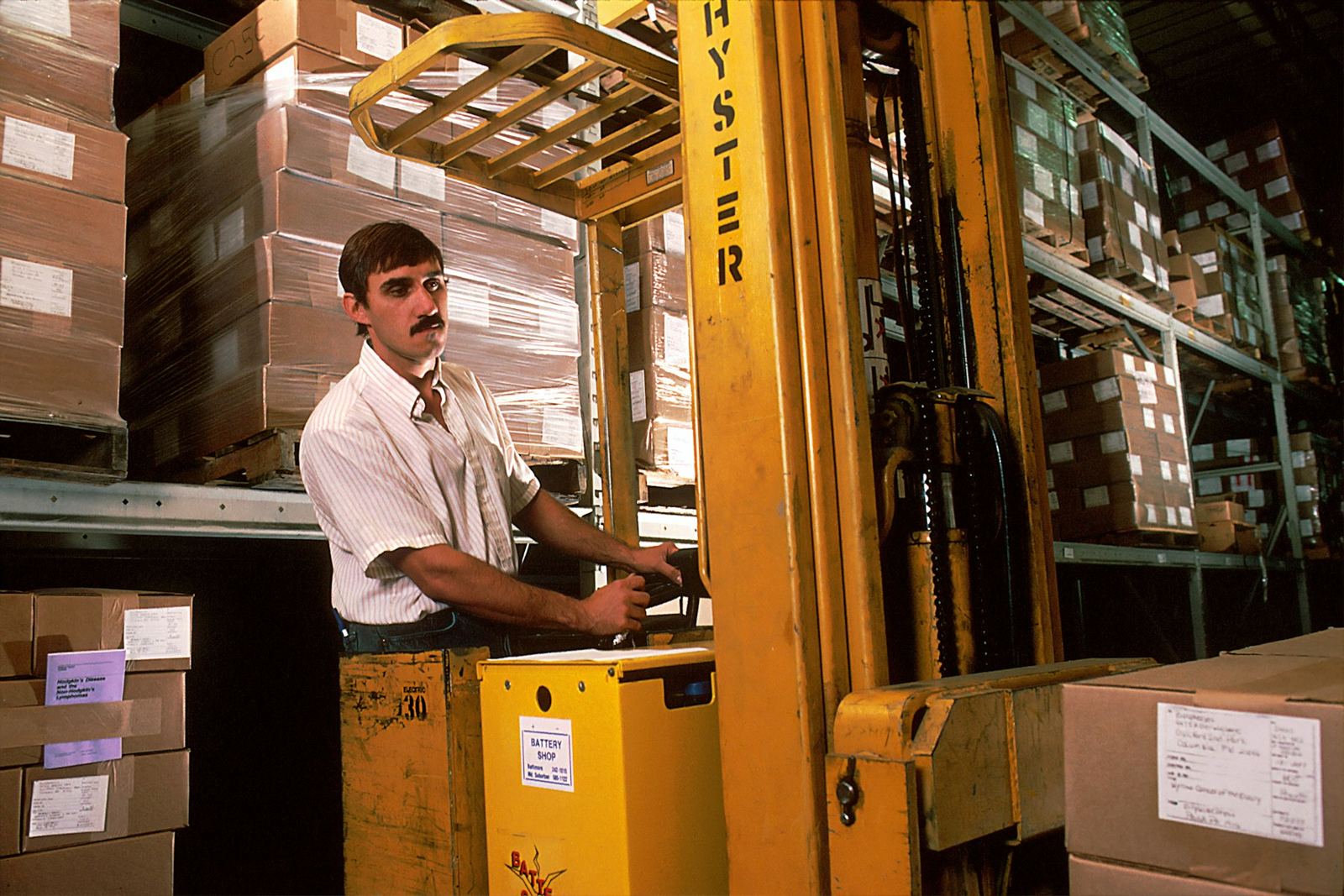
Value exists only when something physical moves differently. A pallet goes to the right rack. A truck leaves on time. A box isn't miscounted. A reorder goes out before the shelf is empty. Dashboards don't move goods, and reports don't load trucks.
So every part of Manara answers to one question: what moved differently because of it?
Act comes in two forms:
- Digital Act: the system acts on behalf of people. It raises the replenishment order, re-plans the dock schedule, and tells a forklift driver to move a pallet from rack X to the pick face, now.
- Physical Act: machines do the work. Robots, automated storage, autonomous movement inside the facility.
In our region, labor is abundant and talent is scarce. So the first Act is not replacing people. It is directing them, so that every worker on the floor performs like the best one. Machines take over where the economics say they should, one task at a time.
How we work
Seven rules. In this order.
- 01We live on the floor. We design in the warehouse, not the boardroom. Every product starts with shifts spent where the work happens.
- 02We retrofit; we don't rip and replace. Customers keep their ERP. We sit beside it, own the floor-level truth, and post back what the books need.
- 03We sell outcomes, not licenses. No upfront fees. We are paid per dock, per facility, per result, and we aim for every customer to earn at least twice what they pay us.
- 04We bring the whole stack. Hardware, software and the people to run them. Assembling all three is hard. That difficulty is our moat, and we choose it on purpose.
- 05We build in the region, for the region. Designed and assembled here, priced for the region's economics, and built for the paper, phones and systems our customers actually run.
- 06We start narrow. One dock, one product family, one metric. We expand only when the first one works.
- 07We measure in physical units. Discrepancies, minutes per truck, stock accuracy, pallets moved per hour. Not logins, not dashboards.
Where this goes
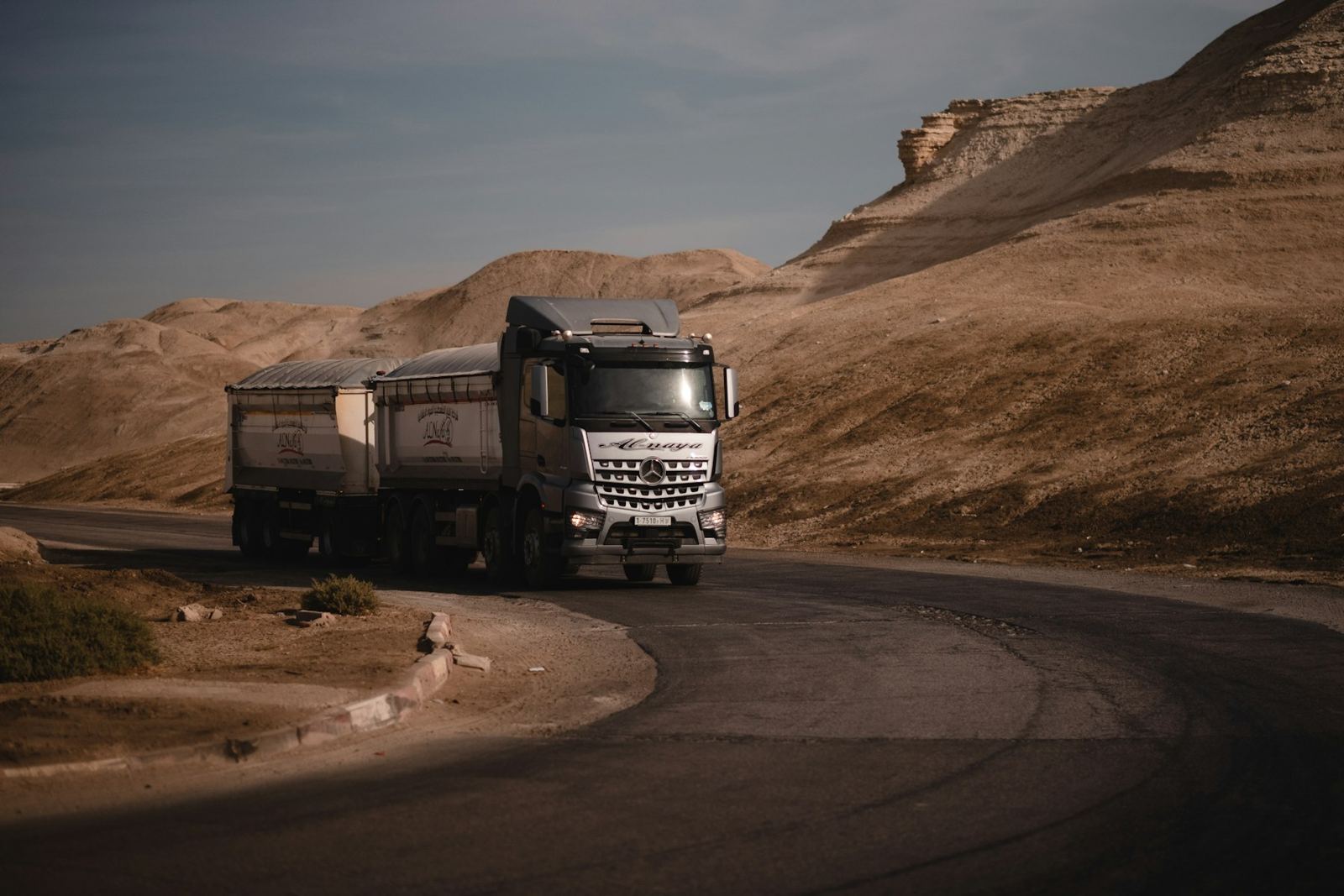
See, Think and Act are not three products. They are one loop. Every action creates new data, and every new data point makes the next decision sharper and the next action safer. The longer a facility runs on Manara, the better it gets, and the harder we are to replace.
We start with labels, scanners and towers. We end with facilities that run themselves: goods received, stored, picked and loaded with people supervising rather than counting.
Our ambition is to lower the cost of moving goods through the region, for the producers who grow and make them, the distributors who move them and the people who buy them.
Light first. Then motion.